How to choose a front door colour that suits the rest of the house
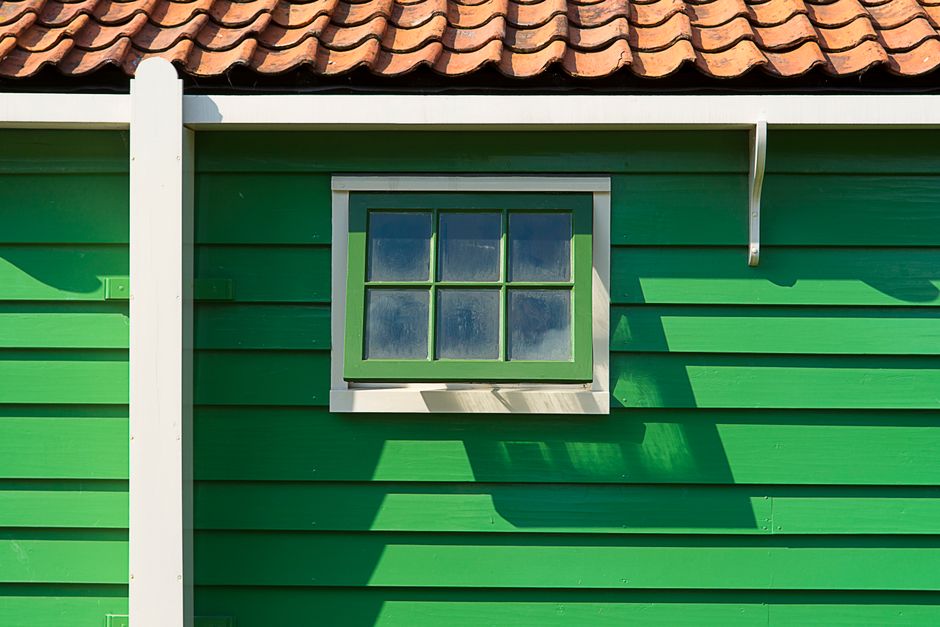
By the time the garage and fascia have been cut in and the body colour is on, the front door is the last open decision, and it is the one every visitor sees first. The door colour rule used at house painting temecula ca mj beran is the opposite of the body rule: the door can go stronger than the walls, but only in the same undertone family. A house in Temecula, CA with a west-facing entry has extra things to weigh.
Start from the body and trim colour
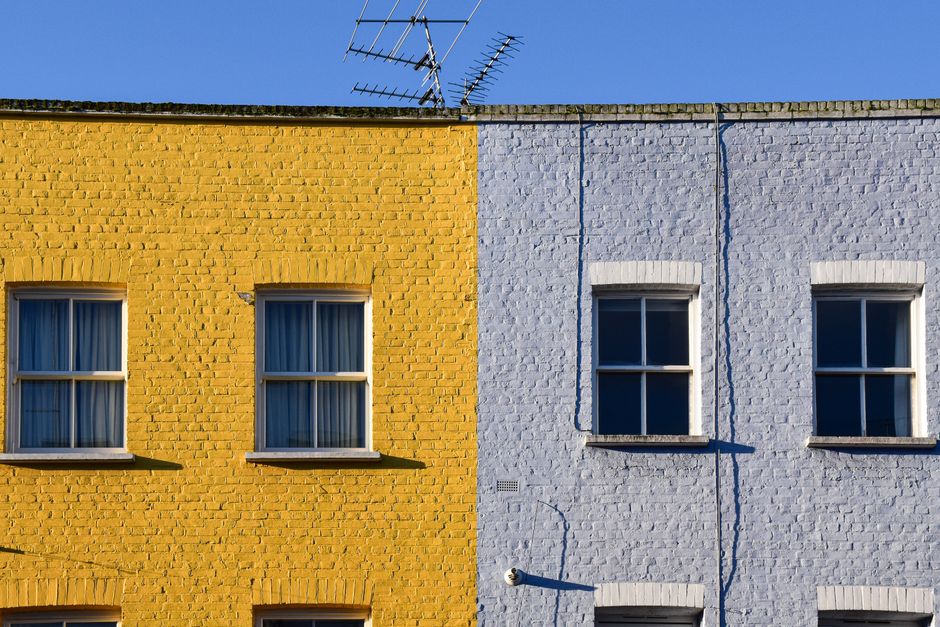
A door takes its cue from the body colour. A warm sand stucco will carry a deep red, a rich brown or an olive green without strain. A cooler grey-beige looks better with a navy or a charcoal. Test by placing a board of the door shade next to the body colour and the trim colour, then step back to street distance. The pairing should look planned, not matched.
Matching the undertone
An undertone is the faint cast under a colour, and doors show it more than walls. A red door with a blue undertone looks cold next to a yellow-based stucco. A brick red with an orange lean looks natural there. Compare the door sample against the roof tile as well, since terracotta shows up behind the door every day and exposes a bad match.
Sun on a west-facing entry
A door facing west takes the hardest afternoon light, and dark colours bake. Deep reds and blues fade first under that exposure, and a dark door can warm enough to blister a weak coating. A mid-value colour suits a west door, in a good exterior enamel with a fade-resistant pigment. An entry under a porch roof sees less of this and can take darker shades.
Wood versus metal doors
A wood door needs sanding to bare, spackle or filler on dents, primer, and two coats of exterior acrylic or an oil based enamel, with a satin or semi gloss sheen to resist handling. A steel or fibreglass door needs a scuff sand and a bonding primer first. Gloss shows every dent on a metal door, so a satin finish is often kinder on a worn surface.
Choosing the sheen
Semi gloss cleans easily and looks sharp in the shade of an entry. Satin is softer and hides the small marks of a door used all day. A glossy finish on a south or west door reflects heat and glare, which can make the shade read lighter than the swatch.